
High-capacity chemical storage built to feed continuous injection systems
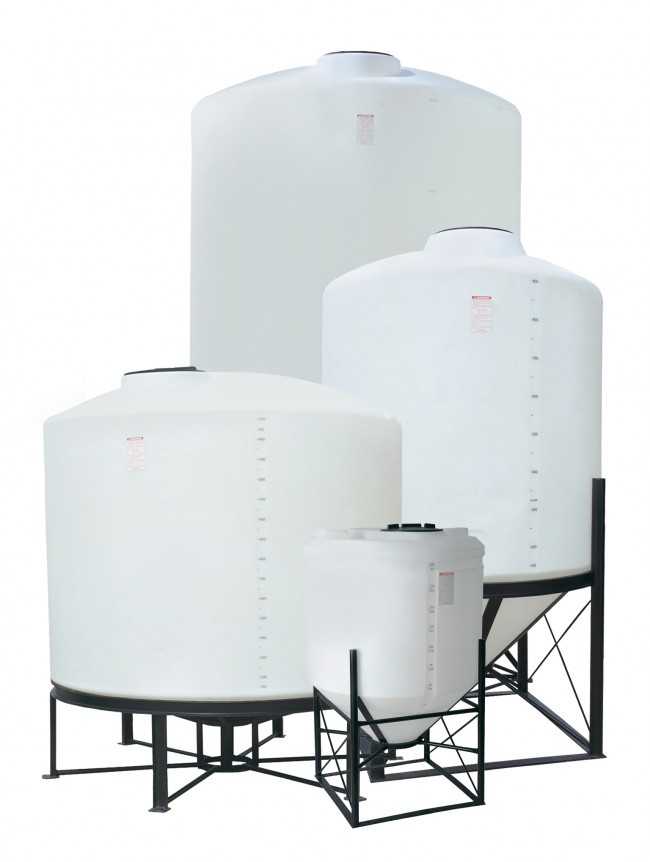
A bulk storage tank holds the primary chemical supply for an injection system, typically sized to cover days or weeks of dosing rather than the shorter refill cycle a day tank is built around, reducing how often a facility needs to schedule chemical deliveries and refills. Material selection is the critical decision on any bulk tank, since the tank sits in continuous contact with concentrated chemical for extended periods, and the wrong material choice leads to slow degradation that often goes unnoticed until a leak or structural failure occurs. Tanks are typically fitted with level indication, overfill protection, and secondary containment provisions, since a bulk tank failure represents a much larger volume release than a day tank would produce.
What's Included
- Tank shell material selected for long-term chemical compatibility
- Level indication and high-level alarm
- Secondary containment or integral bund, per site requirement
- Fill and vent connections sized to delivery method
- Outlet connection sized to feed downstream day tanks or pumps directly
| Specifications | Description |
|---|---|
| Capacity Range | 1,000 to 50,000 liters |
| Tank Material | HDPE, FRP, or stainless steel, chemical dependent |
| Containment | Integral bund or secondary containment, per site requirement |
| Level Monitoring | Visual gauge, ultrasonic, or float-based options |
| Fill Method | Top fill, bottom fill, or tanker offload connection |
| Venting | Atmospheric or pressure-rated, chemical dependent |
| Testing | Factory hydrostatic tested prior to dispatch |